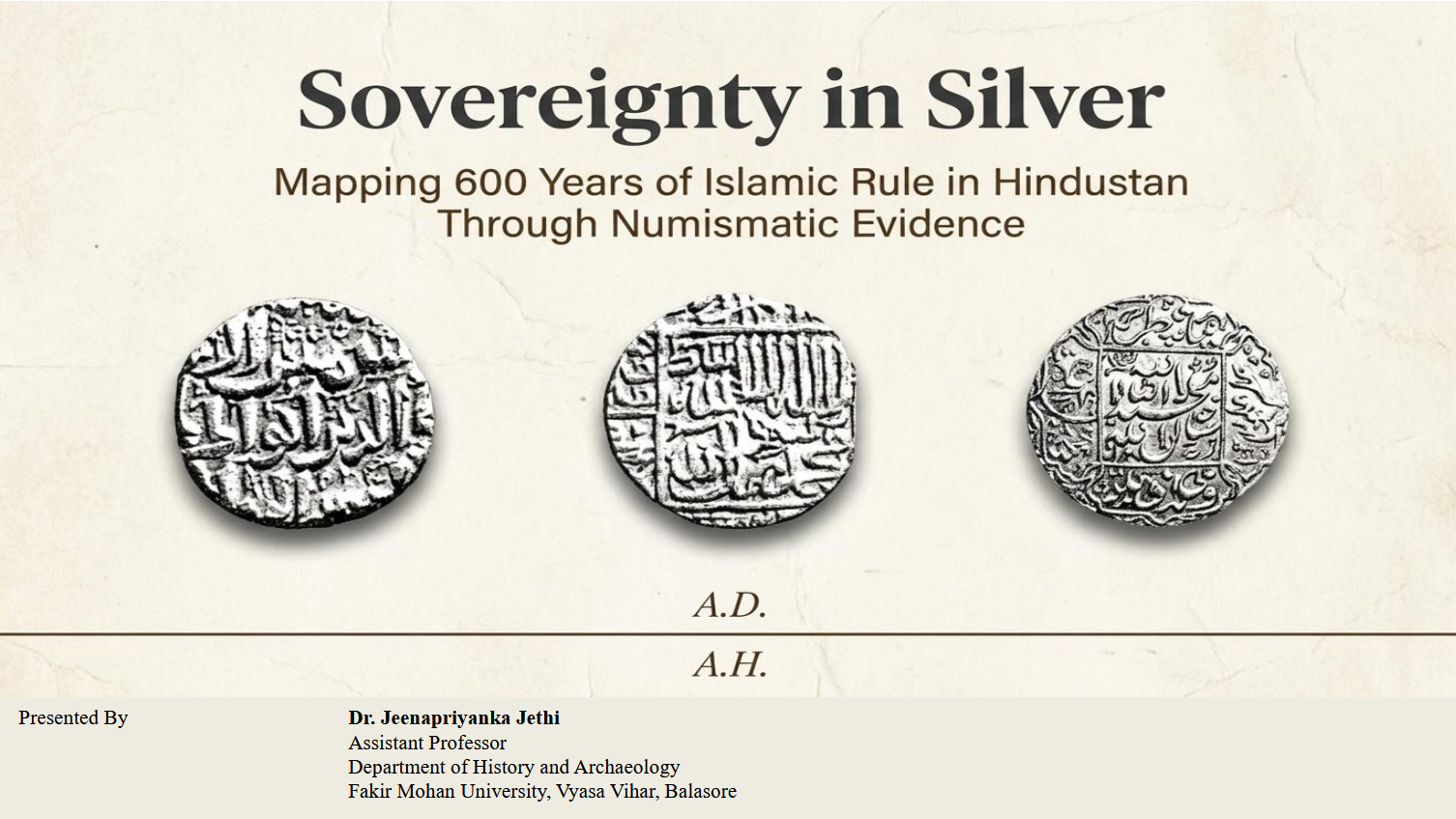
Indo-Islamic and Mughal coins reflect the political authority, economic prosperity, and artistic traditions of medieval India. Issued in gold, silver, and copper, they typically bore Arabic or Persian inscriptions, the ruler's name, titles, mint, and date. Sultanate coins included denominations such as the tanka and jital, while the Mughals introduced standardized coinage, including the mohur, rupee, and dam, which strengthened trade and imperial administration.
- Teacher: Dr. Jeenapriyanka Jethi
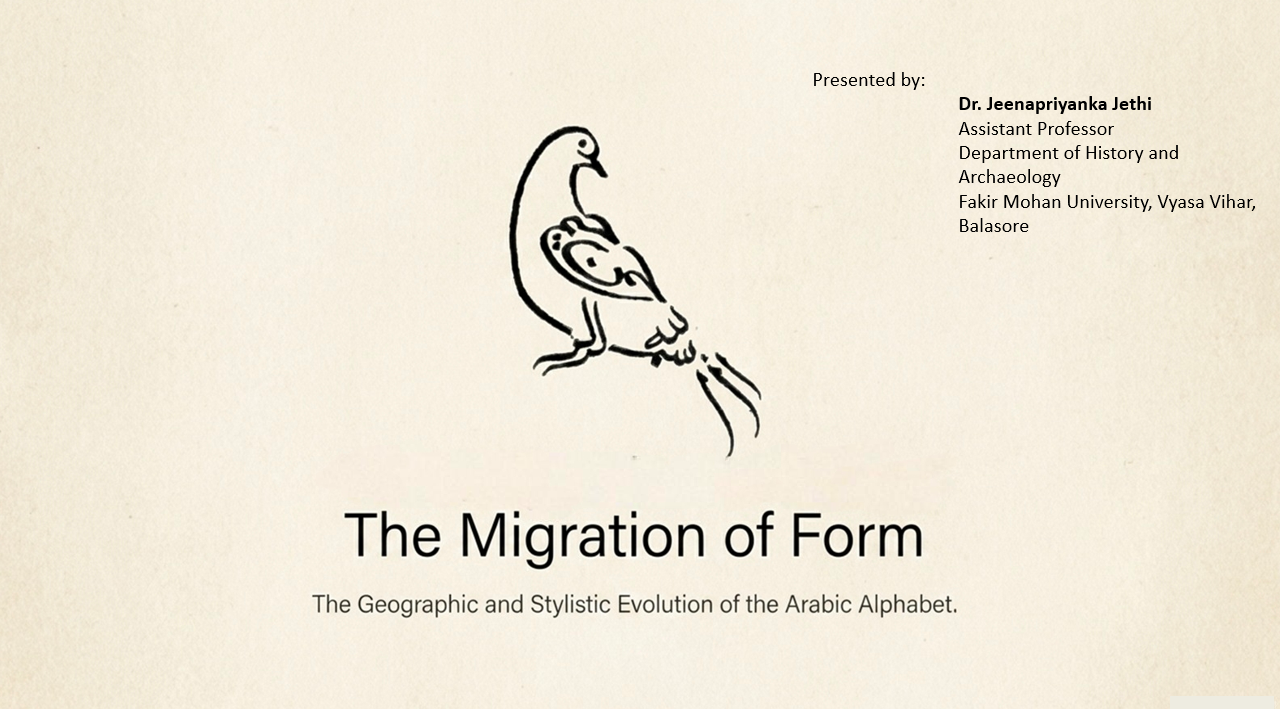
The Arabic script evolved from the Nabataean script between the 4th and 6th centuries CE. Standardized with the spread of Islam in the 7th century, it developed into several calligraphic styles, including Kufic, Naskh, Thuluth, and Muhaqqaq, which were widely used in manuscripts, inscriptions, and Islamic architecture across the Islamic world, including India.
- Teacher: Dr. Jeenapriyanka Jethi
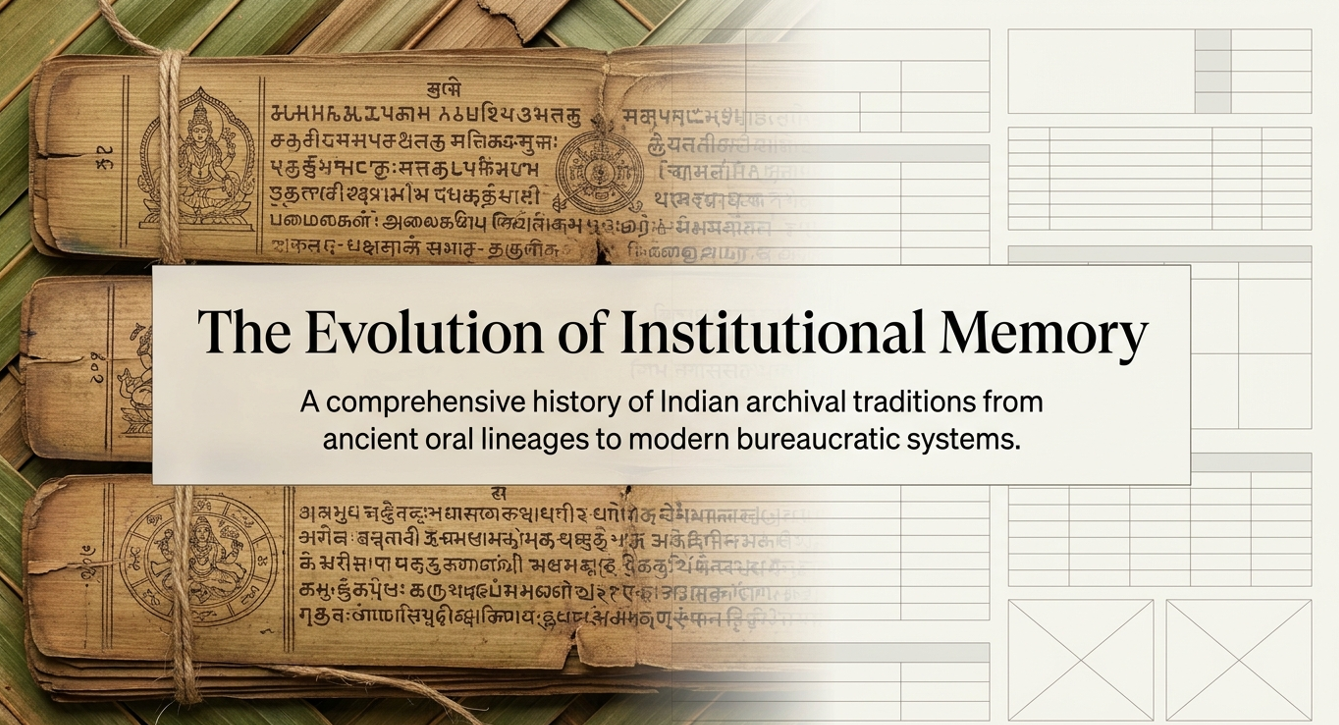
Archives in India are essential institutions that preserve the nation's historical, administrative, and cultural records, making them a vital source for historical research and governance. The National Archives of India and various state archives safeguard valuable documents, manuscripts, maps, and official records, ensuring their availability for future generations. Despite challenges such as inadequate funding, poor preservation facilities, and limited accessibility, ongoing digitization and conservation efforts are improving the preservation and use of archival materials across the country.
- Teacher: SANTIGOPAL JANA
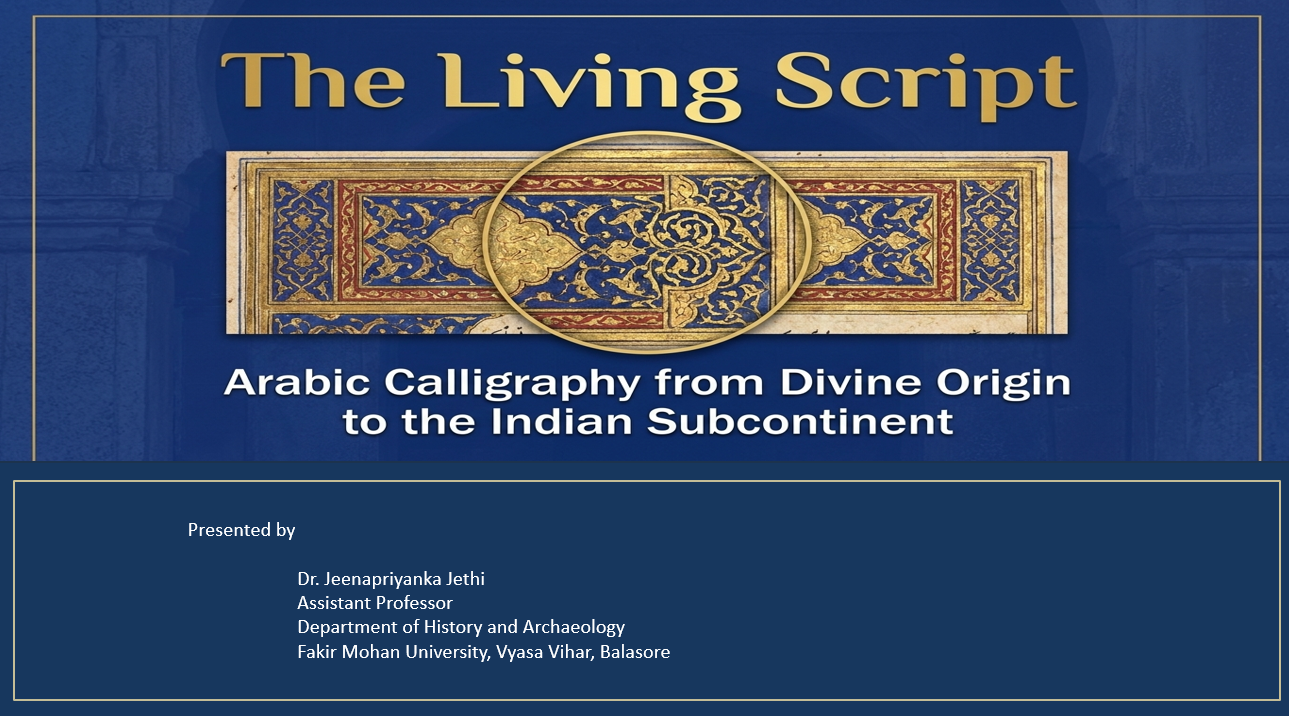
Arabic calligraphy in India developed with the establishment of Islamic rule in the early thirteenth century and became one of the most significant artistic features of Indo-Islamic architecture and culture. As Islamic religious tradition generally discouraged the depiction of living beings in sacred spaces, calligraphy emerged as a principal decorative art, adorning mosques, tombs, madrasas, forts, palaces, and illuminated manuscripts with verses from the Qur'an, religious invocations, royal decrees, and dedicatory inscriptions. The earliest examples are found in the monuments of the Delhi Sultanate, including the Qutub Minar Complex, Quwwat-ul-Islam Mosque, Alai Darwaza, and the Tomb of Iltutmish, where inscriptions in Arabic were skillfully carved in stone and combined with geometric and floral ornamentation. During the Mughal period, Arabic calligraphy attained exceptional refinement under imperial patronage, reaching its artistic pinnacle in monuments such as the Taj Mahal, where the celebrated calligrapher Amanat Khan Shirazi executed elegant Qur'anic inscriptions in the Thuluth script with remarkable optical precision. Various scripts, including Kufic, Naskh, Thuluth, and Muhaqqaq, were employed according to architectural and manuscript requirements, while calligraphy was rendered through stone carving, marble inlay (pietra dura), stucco decoration, glazed tiles, woodwork, and manuscript illumination. Blending Persian, Central Asian, and indigenous Indian artistic traditions, Arabic calligraphy became not only a medium of religious expression but also an important instrument for commemorating rulers, recording historical events, and enhancing the aesthetic grandeur of medieval Indian monuments. Today, it remains an enduring symbol of India's rich Indo-Islamic artistic and architectural heritage.
- Teacher: Dr. Jeenapriyanka Jethi
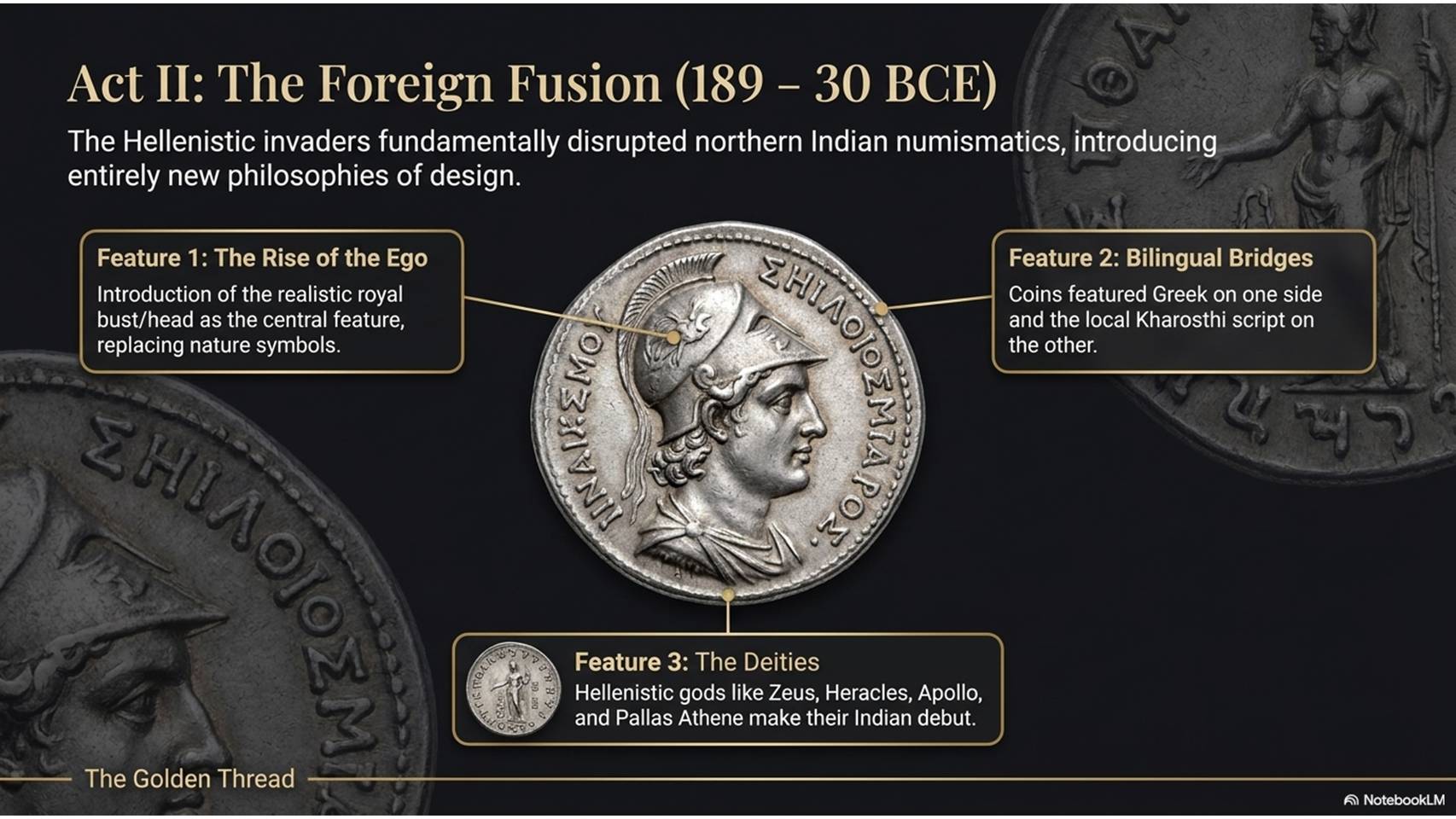
- Teacher: Sikhasree Ray
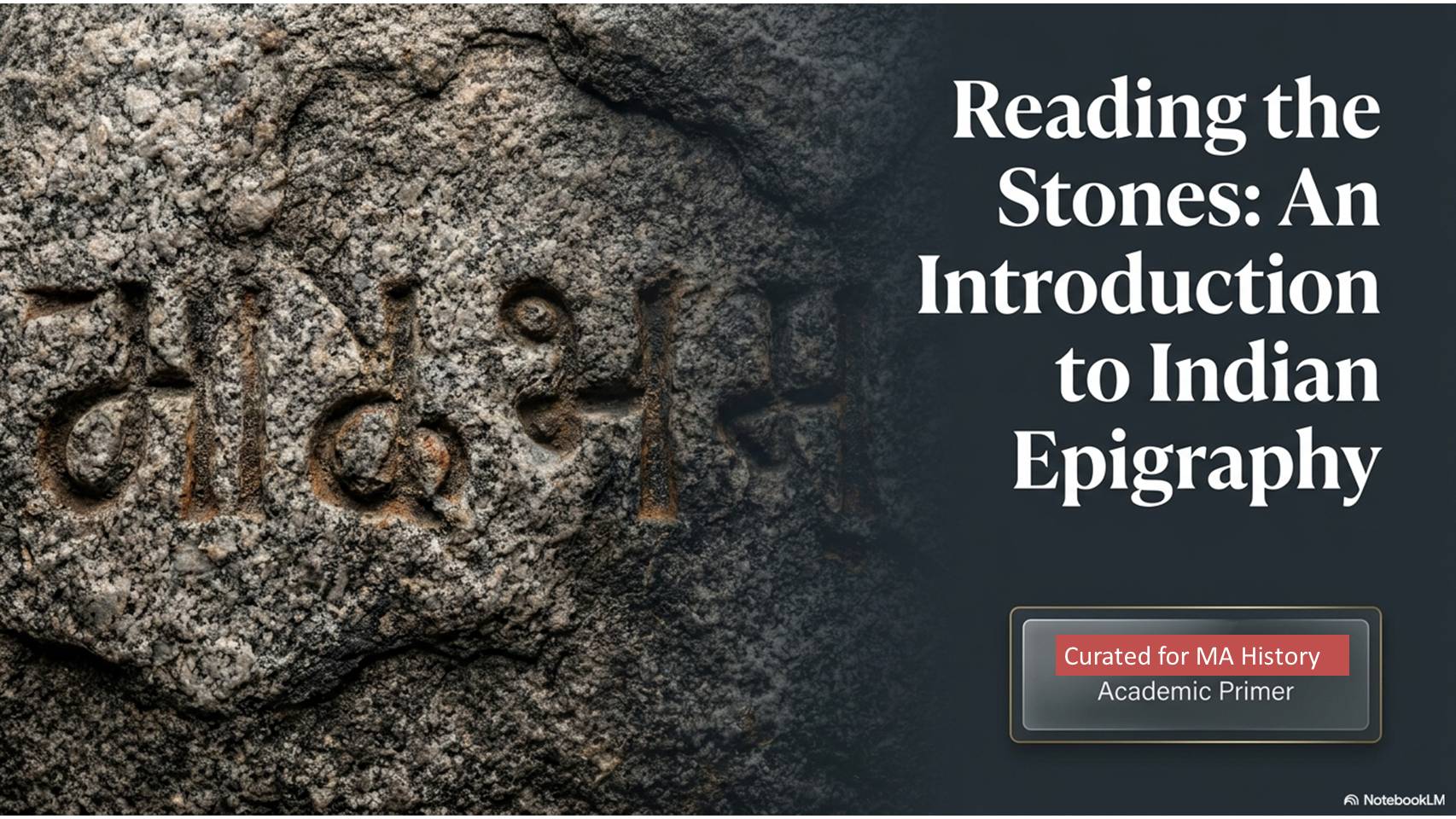
Reading the Stones: An Introduction to Indian Epigraphy provides a concise introduction to Indian epigraphy and its importance in reconstructing the political, social, economic, religious, and cultural history of India. It explains the evolution of ancient scripts, major types of inscriptions, methods of decipherment and documentation, and the historical significance of inscriptions such as the Aśokan Edicts and copper-plate grants. The primer also introduces field techniques for recording inscriptions and emphasises the value of epigraphic evidence in archaeological and historical research.
- Teacher: Sikhasree Ray

The basic objective of this course is to introduce students the various type of art and architecture of temples of India. It will help to know about Buddhist architecture and Brahmanical architecture and
to discuss the art, architecture, and their growth from period to period- Teacher: Sikhasree Ray

Knowledge of various inscriptions and various type of coins issued during the various ruling dynasties. It will help to know the various script in ancient India. It will aimed to
discuss the details written in various inscriptions and numismatics.- Teacher: Sikhasree Ray
The constant flow of wealth from India to Britain for which India did not get adequate commercial,economic and material return for which India national leaders or economist called as a Drain of wealth.
- Teacher: DR.SUSANTA BARIK